Winter Eczema
As temperatures drop and we welcome back the colder months, the first signs of winter eczema can appear: dry skin with redness, tightness, itchiness, and flakiness. Maine-based holistic esthetician Melanie Herring shares her tips for managing eczema and transitioning your winter skincare routine.


What is eczema, and how does it differ from dry skin?
Winter eczema and dry skin can at first glance look similar, but they are two very different conditions. Eczema is a condition associated with a weakened barrier function (usually genetic) and an over-reactive immune system, which can present as itchy, inflamed skin that feels sensitive to the touch and to products. Wintertime can cause eczema to worsen. As eczema progresses, rough, scaly patches and small bumps that can potentially ooze appear.
Dry skin, on the other hand, is essentially a lack of moisture, with no immune system components involved. Dry skin can appear itchy, red, and be prone to cracking, but will not progress to more tell-tale signs of eczema like dry patches or inflamed bumps. Even when dry skin and eczema appear the same, the intensity of dry skin symptoms is much lower than that of eczema.
What makes eczema worse?
In general, harsh products that strip lipids and disrupt skin barrier function, fragrances, stress, allergens, heat, sweat, and lack of moisture all make eczema worse. It’s very important to manage environmental factors to keep flare-ups at bay.
Why is winter the worst for flare-ups?
In winter, decreased moisture in the air and indoor environments can lead to flare-ups. Additionally, certain fabrics, such as wool, which are much more common in winter, can trigger eczema. Lack of sunlight and the stress of less sunlight on mental health can also contribute to flares.
What do you see in clients? Is there a typical profile for someone with this condition?
The most common profile I see with clients who suffer from eczema is dry, rough-patched skin that is highly sensitive and easily reacts to certain products and environmental allergens. As a consequence, clients tend to know quite well what is a good fit for their skin and what they need to avoid.
A common misconception of eczema is…
I would say that the most common misconception of eczema is that it is simply a dry skin condition. Dry skin can be a symptom of eczema, but it is not the cause. Genetics is the driver of eczema, contributing to a dysfunctional skin barrier and an over-reactive immune system. The symptoms of eczema exist at the intersection of these two underlying issues and environmental triggers.
What does a healthy winter routine look like for someone suffering with it?
For winter eczema, think gentle, nourishing, hydrating:
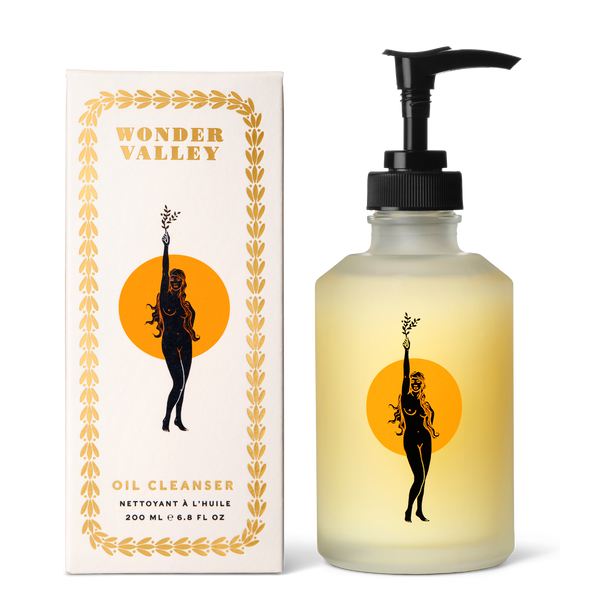
Keep face washing to a minimum. Wash, with a gentle, non-drying cleanser, in the evening to remove the day’s dirt. In the morning, splash with water. At all times, even when showering, keep the water temperature at warm or lower. Hot water can worsen symptoms. Avoid exfoliants if skin is flaring and use sparingly otherwise.
Moisturize! Morning and night.
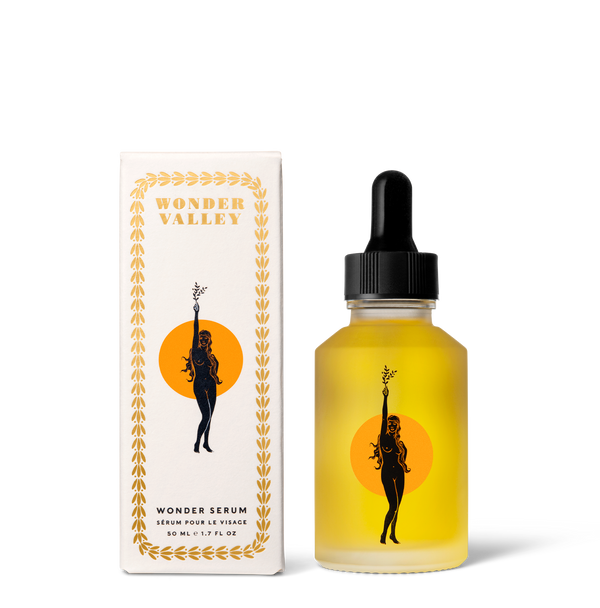
Morning: Hydrate with a mist, apply a barrier-strengthening serum with hyaluronic acid or squalene, mist again, and apply a gentle, nourishing oil followed by a cream to lock in moisture and protect skin from the elements. Apply sunscreen to finish.
Evening: After cleansing, mist face and apply serum. Most skin will do well with a cream at this point to help protect while sleeping. For both morning and evening routines, apply any doctor-prescribed treatments as recommended.
Add moisture to your environment.
Melanie Herring is a holistic esthetician based in midcoast Maine. She melds her foundational skills with her deep intuitive gifts to support the health of her clients' skin and nervous systems. Melanie believes in the transformational power of slow, focused massage, deep acceptance and healthy aging. She has been featured on Goop, Departures, MBG, Into The Gloss, Well + Good and The Numinous. Melanie is currently booking appointments in her midcoast Maine studio.